What is Idiopathic Hypersomnia (IH)

Idiopathic Hypersomnia is a rare sleep disorder than can affect the quality of your sleep or how much sleep you get. The exact cause of Idiopathic Hypersomnia is unknown, but you can learn more about possible causes.
Idiopathic Hypersomnia has multiple symptoms that can affect you around the clock

MORNING WAKEUP
You feel a grogginess or confusion when you try to wake up that may be so severe, you act or feel drunk (that's why it's also known as "sleep drunkenness"). You may need multiple, loud alarms—or even someone else’s help—to finally wake up and get out of bed.

DAYTIME & EVENING

You feel sleepy during usual "waking hours" despite getting plenty of sleep. You may find yourself trying to stop falling asleep by always standing or moving, talking nonstop, multitasking, or drinking a lot of caffeine.
You find yourself wanting to nap often throughout the day, and instead of feeling better (restored) when you wake up, you may actually feel worse.
You find it hard to concentrate on tasks, pay attention to details, and remember things at work, school, and at home.

NIGHTTIME SLEEP
You can sleep for hours and hours (sometimes more than 11 hours), but you don't wake up feeling rested (refreshed). No matter how much you sleep, it may feel like you never get enough.
Watch Beth and Danny talk about living with Idiopathic Hypersomnia

Idiopathic Hypersomnia is more than just sleepy.
Watch Beth share her experience living with Idiopathic Hypersomnia.
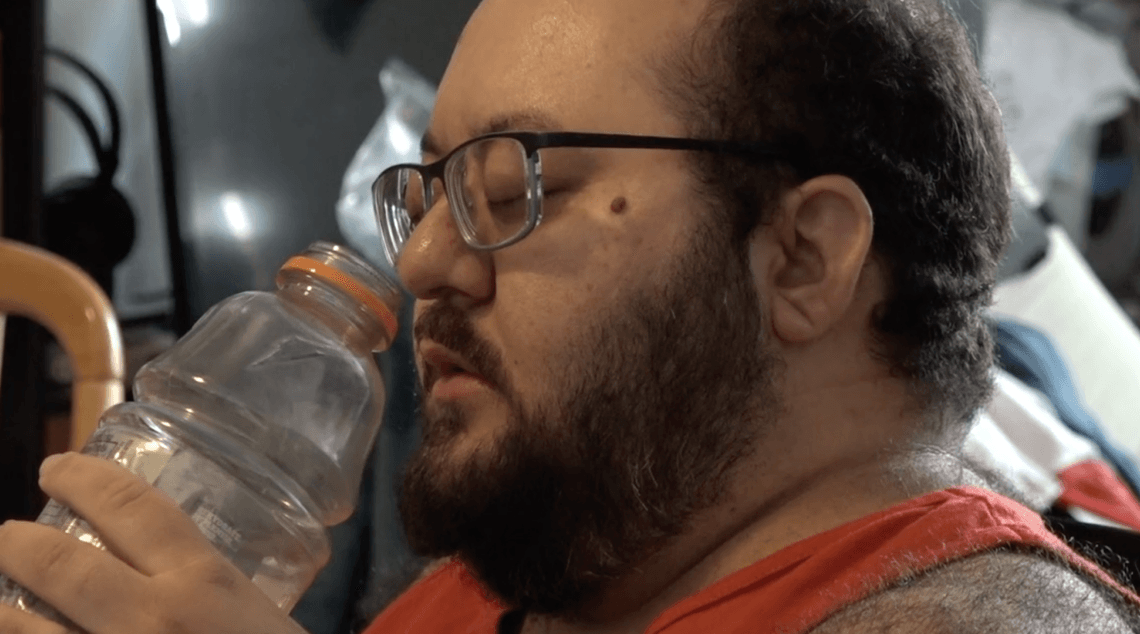
What is sleep inertia?
For Danny, sleep inertia (also called sleep drunkenness) is a typical part of waking up.
Beth, a PERSON living with IH:

Before my IH diagnosis, I didn't know why after 8-12 hours of sleep I still felt partially asleep; it affected my functioning in so many ways."
How does Idiopathic Hypersomnia compare to other conditions?
Idiopathic Hypersomnia is often confused with other conditions where excessive daytime sleepiness (EDS) occurs. These conditions include obstructive sleep apnea (OSA), depression, narcolepsy (Type 1 and 2), ADHD (attention-deficit/hyperactivity disorder) and other psychological or psychiatric disorders.
It's important to know how Idiopathic Hypersomnia is different. People with Idiopathic Hypersomnia may:
- Sleep a lot but wake up feeling just as tired as before
- Have a very hard time waking up in the morning or after naps
- Struggle to focus for more than 1 hour at a time
- Do certain things without being fully awake
It can take up to 15 years for Idiopathic Hypersomnia to be diagnosed.
Which is why it's important to get the right diagnosis to find an effective treatment.
What is it like to live with Idiopathic Hypersomnia?
If you have Idiopathic Hypersomnia, it can be frustrating when people don't "get you." Sometimes, family, friends, and even doctors may need help understanding the challenges. School, work, and home life can all be a struggle; relying on others makes it hard to feel independent, and the stigma attached to the condition can be very hurtful and impact your personal relationships.

"So many years of people thinking I’m lazy."
Watch Beth talk about another challenge of living with IH: stigma.
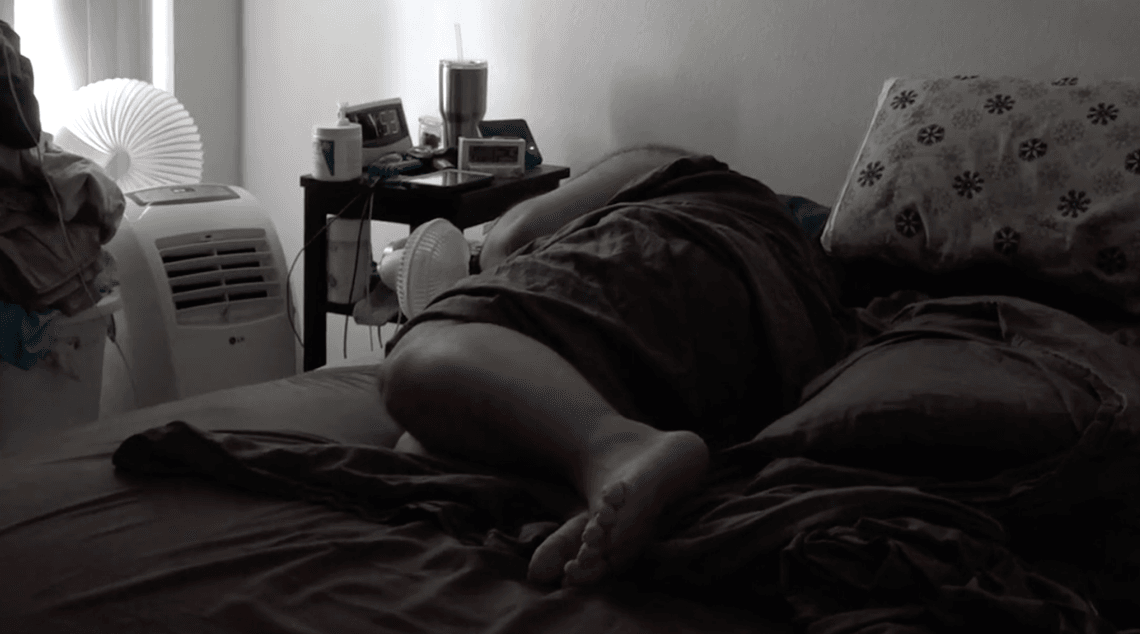
support can make all the difference.
How Danny and Beth find support in their community.